Every podcast you love started exactly where you are now, with a person, an idea and a long list of questions. The good news is that starting a podcast in 2026 is more straightforward than it has ever been, and most of the hard decisions happen before you touch a single piece of gear. This guide walks through the whole process in ten steps, and ends with the shortcut most first-time podcasters in Cairns wish they had known about.
Step 1: nail the concept
Before names, logos or microphones, answer three questions. What is the show about, who is it for and why would they pick it over the thousands already in their app? The sharper the answers, the easier everything else becomes. "Business chat" is a category. "Unfiltered conversations with Far North Queensland founders about what actually worked" is a show.
Write a one sentence pitch and say it out loud. If it sounds like something a specific person you know would subscribe to, you have a concept. If it sounds like it is for everyone, it is for no one yet, keep sharpening.
Step 2: pick a format and a rhythm you can sustain
Interview, co-hosted conversation, solo commentary or narrative storytelling. Each works, but they demand very different amounts of preparation. Interviews live or die on guest quality and your questions. Co-hosted shows need chemistry and a loose structure. Solo shows are the cheapest to make and the hardest to keep interesting.
Then choose a schedule you can hold for six months, because consistency beats frequency every time. A fortnightly show that never misses builds more trust than a weekly one that fades by episode nine. Most podcasts quit before episode ten, outlasting that alone puts you ahead.
Step 3: name it and brand it
A good podcast name is easy to say, easy to spell and hints at the content. Check it is not taken in Spotify and Apple Podcasts, and that a matching handle exists on the socials you care about. Your cover art needs to work at thumbnail size, bold type and one strong idea beat detailed artwork every time. It sits next to professional shows in the feed, so it has to hold its own at 60 pixels wide.
Step 4: sort your gear, or skip it entirely
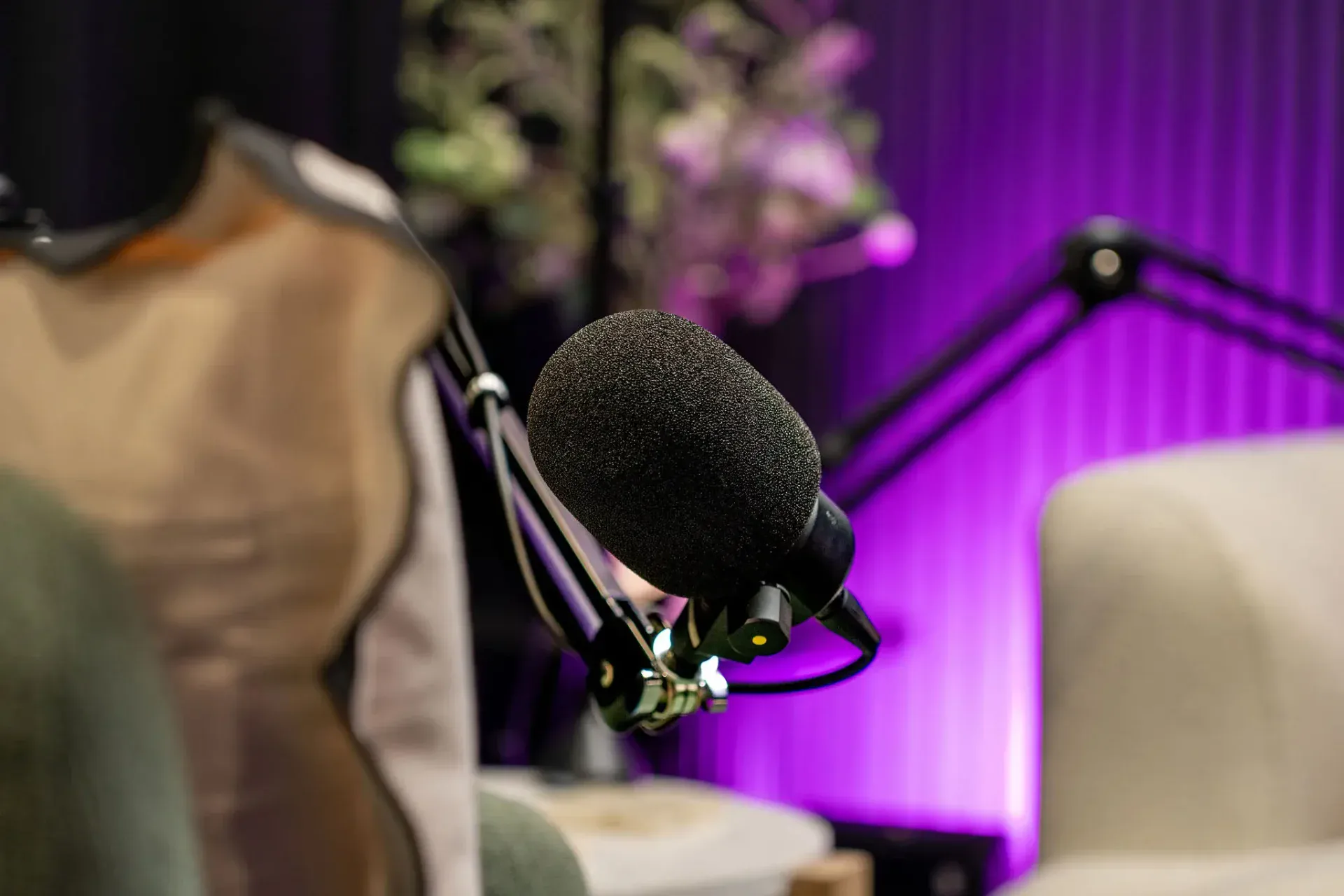
Here is the honest version of the gear conversation. A listenable podcast needs a decent dynamic microphone for each speaker, closed headphones, an interface or mixer, a quiet treated space and something to record on. Do it properly for two people and you are somewhere between two and five thousand dollars, and the room matters more than the microphones. Untreated echo is the number one thing that makes podcasts sound amateur, and no plugin truly fixes it. We wrote more about that in our guide to podcast acoustics.
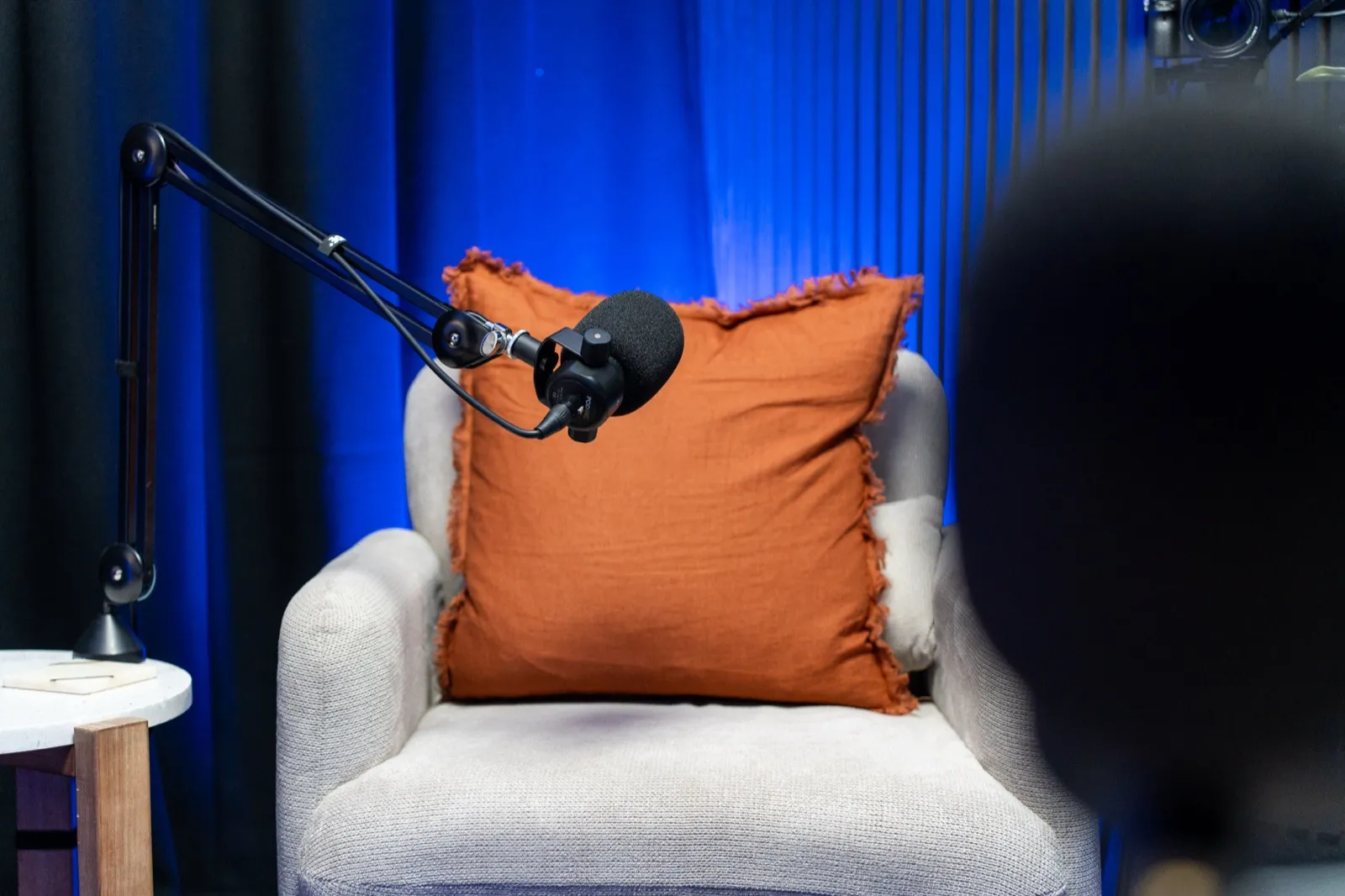
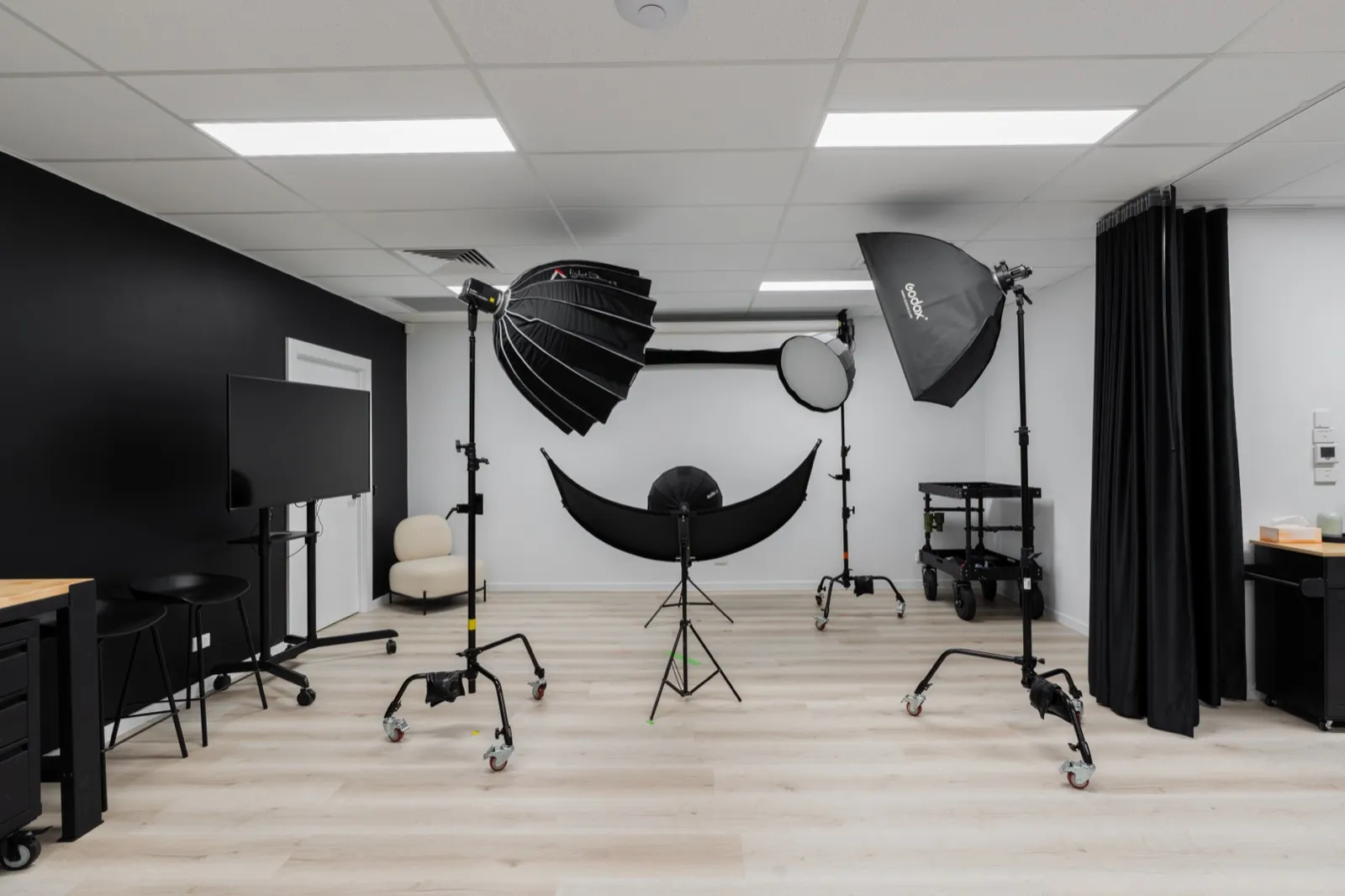
The alternative is to record somewhere the gear and the room are already sorted. A podcast studio hands you broadcast microphones, multiple cameras, lighting and a treated space for less than the cost of one budget mic per session. If you are not sure the show will stick, renting before buying is simply better maths.
Step 5: choose recording and editing software
For remote interviews, browser recorders like Riverside or Zencastr capture each person locally so a shaky connection does not wreck the audio. For in-person sessions, a hardware recorder or studio console does the work. Editing wise, Audacity and GarageBand are free and fine, Descript lets you edit audio by editing text, and Adobe Audition is the deep end. Start simple, your first episodes need cuts and level fixes, not mastering wizardry.
Step 6: record your first episode
Prepare a loose outline, not a script. Bullet points keep you natural, scripts make you sound like you are reading. Do a one minute test recording and listen back before committing to the full session, checking levels and background noise. Record a little more than you need, it is far easier to cut than to recreate. And record video if you possibly can, because clips are how podcasts grow in 2026 and audio-only throws away your best marketing material.
Step 7: edit for the listener
Edit for flow, not perfection. Remove the false starts, the tangent that went nowhere and the four second gap while someone found a stat. Leave the laughs and the human moments, they are why people stay. Keep intros short, nobody ever complained a podcast got to the point too quickly. If editing is the step you dread, this is the one part most worth paying for, or use a producer during the session so the episode comes out largely cut already.
Step 8: host and publish
Your audio lives on a podcast host, which gives you an RSS feed, and the feed is what you submit once to Spotify, Apple Podcasts and the rest, after that every episode flows through automatically. Spotify for Creators is free and simple, Buzzsprout and Transistor are polished paid options. Write episode titles people would actually search, "How Sarah built a $2m cleaning business in Cairns" beats "Episode 12, Sarah".
Step 9: promote it like you mean it
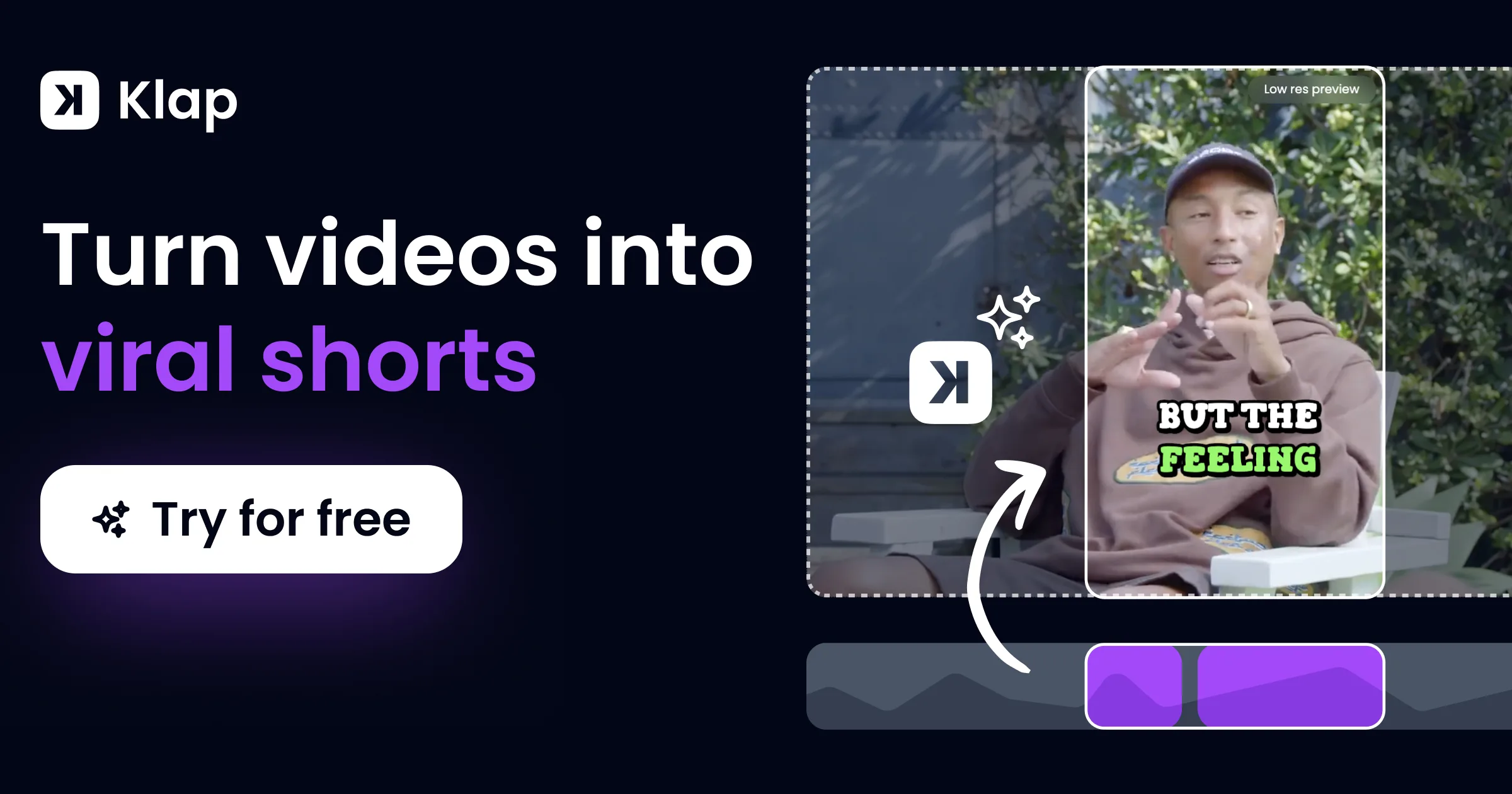
Launch with two or three episodes so new listeners can binge, then treat every episode as a content pack. One recording becomes vertical clips for Reels and TikTok, quote graphics, an email and a blog post. Tools like Klap automate a lot of it, we broke that down in this guide, and our podcast marketing playbook goes deeper on the whole system. Word of mouth still wins, so ask happy listeners for a review early.
Step 10: measure, improve, repeat
Watch two numbers to start. Downloads in the first week tell you about your promotion, and average listen-through tells you about the show itself. If people bail at the twenty minute mark, that is your edit talking. Improve one thing per episode and by episode ten you will not believe episode one.
The easiest way to find out if podcasting is for you
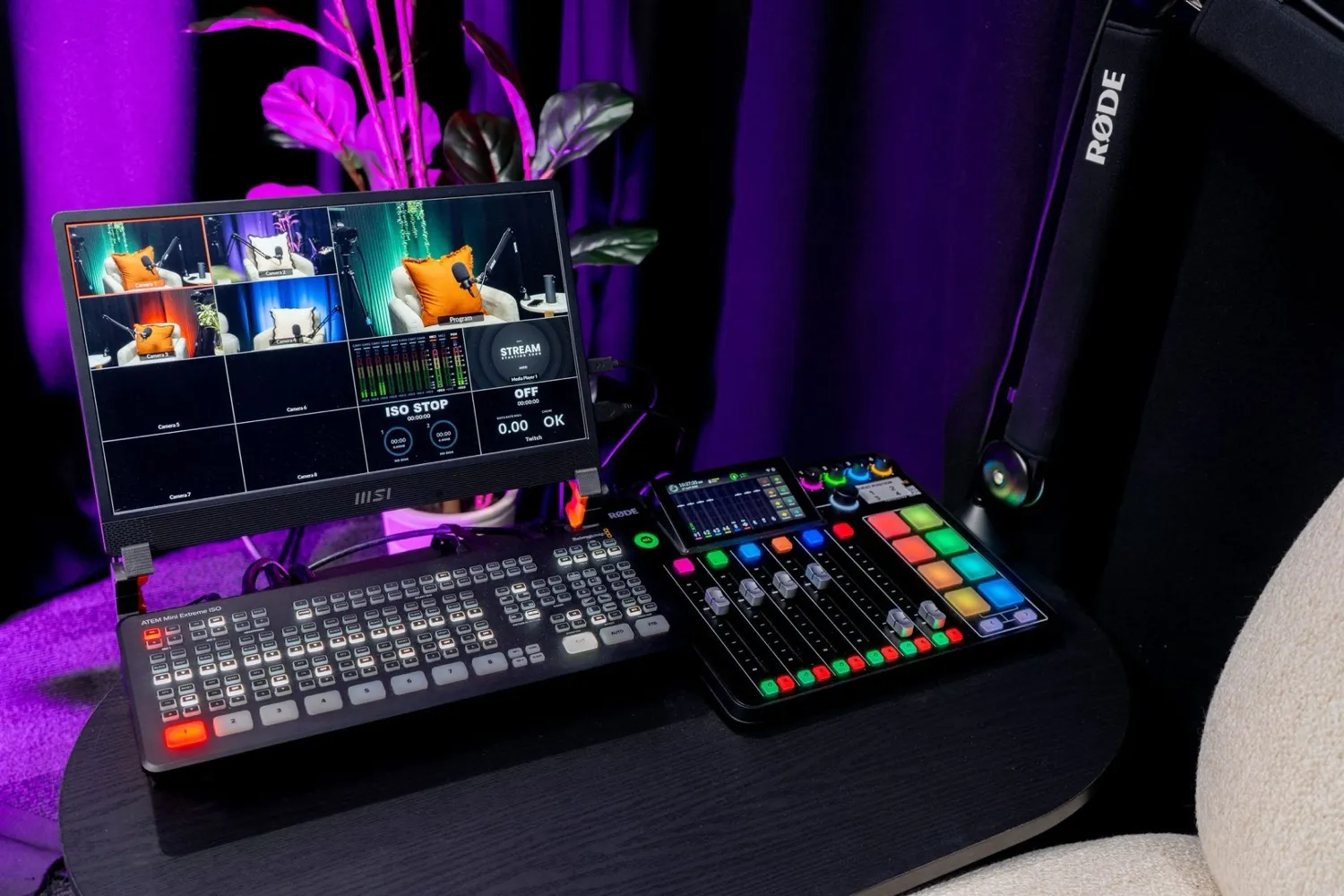
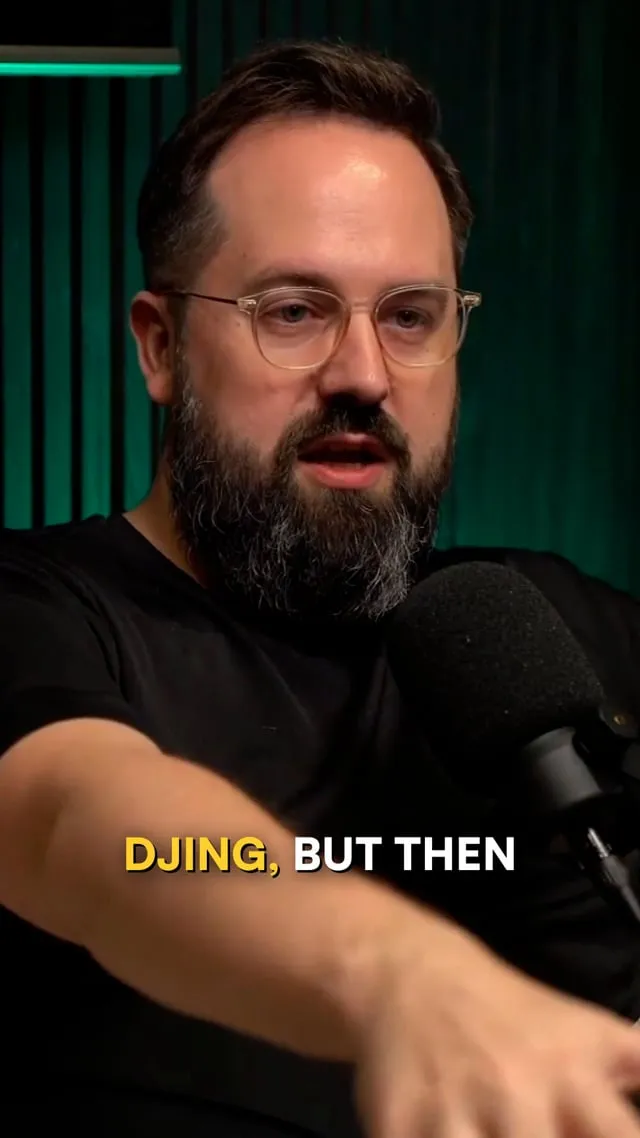 Here is the shortcut. Before you spend thousands on gear and weeks on setup, hire a space like ours for one session. At 4870 Studios a podcast session is $275 for 90 minutes with four Rode microphones, four cameras, live switching, lighting and a sound treated room, all set up before you walk in. You leave with a real episode recorded to broadcast standard.
If you loved it, you have a launched podcast and a room you can book on repeat. If you did not, you found out for $275 instead of $5,000, and you still have an episode to show for it. Either way you skipped the months of gear research that stall most people at step four. Check the calendar and book your first session.
FAQs on starting a podcast
How much does it cost to start a podcast?
Anywhere from nearly nothing to several thousand dollars. Recording on borrowed gear with free software costs time only. A proper two person home setup lands between $2,000 and $5,000 once you treat the room. Hiring a fully equipped studio runs $275 per session at 4870, which is why many shows start rented and buy gear later, if ever.
How long should my first episode be?
As long as it stays interesting and no longer. Thirty to forty five minutes is a comfortable target for conversation formats, and shorter is fine. Length should come from the content, not a rule.
Do I need video for my podcast?
Need, no. Want, almost certainly. Video episodes unlock YouTube and clips are the highest leverage promotion a new show has. Recording video from episode one costs little extra in a studio and pays off every week after.
How many episodes should I launch with?
Two or three. It gives new listeners a binge, gives the algorithms more signals and takes the pressure off episode one being perfect.
How do podcasts make money?
Sponsorship and ads once the audience grows, but earlier than that, podcasts earn by driving your business, selling your products or building the authority that wins clients. Most Cairns podcasters we host make their money from what the podcast feeds, not the podcast itself.